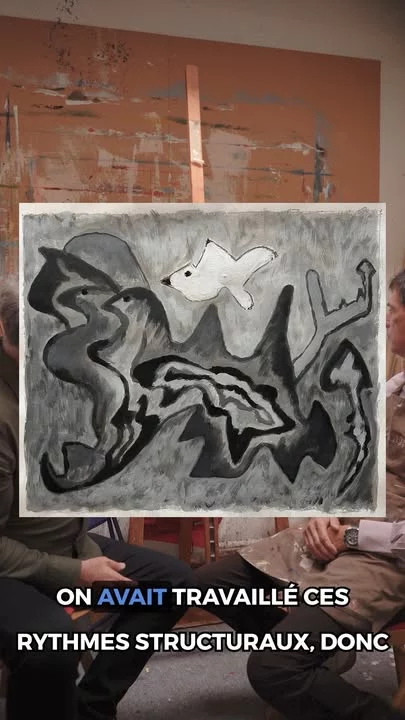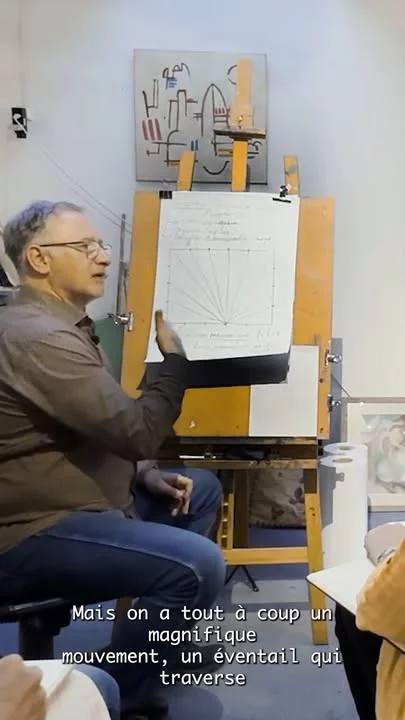

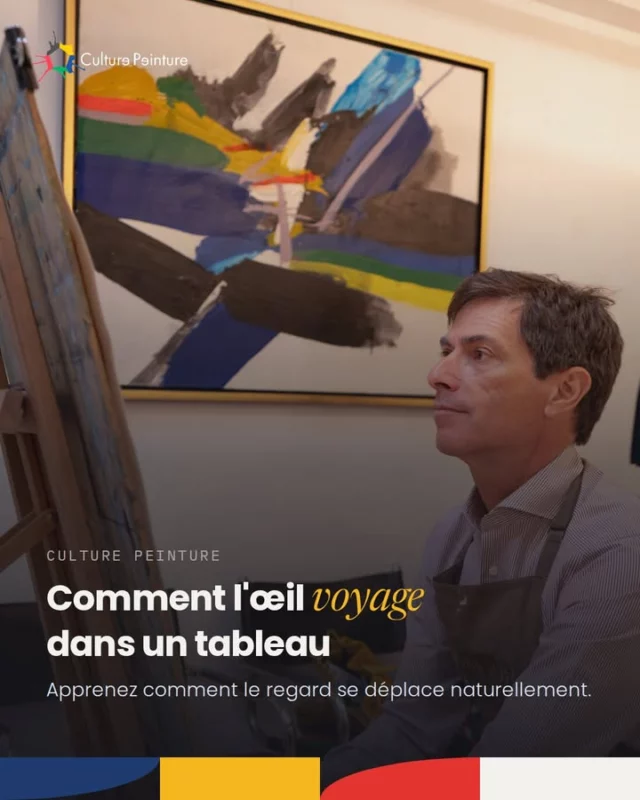
Nous sommes conditionnés par la culture occidentale : dès qu'on lit un livre, on commence en haut à gauche. Devant une toile, l'œil fait exactement pareil. Ensuite, les tensions le dirigent — un manche, une tige, une ligne, chacune le pousse vers la forme suivante. La descente est plus facile que la montée, l'œil est naturellement attiré vers le bas. Et une forme claire, en bas à droite, le renvoie au point de départ. Apprenez à regarder — masterclass gratuite, lien en bio. #educationduregard #composition #peinture #culturepeinture #geneve
Un accord, c'est deux notes qui vont à la même vitesse. Une note froide posée dans un contexte chaud. Ou la valeur la plus lourde du tableau. Ce sont les notes extraordinaires — les points d'entrée du regard. L'accord naît quand deux d'entre elles se répondent : l'une obtenue par la température de la couleur, l'autre par son poids. Deux moyens différents, une même vitesse. Et entre les deux, les formes spectrales — ces rappels de structure qui font circuler le regard d'un secteur à l'autre. Ce n'est pas du hasard. C'est un langage, et il s'apprend. « Il ne suffit pas d'observer des peintures. Il faut réaliser les exercices. » Masterclass gratuite, lien en bio. #couleur #accords #peinture #culturepeinture #geneve
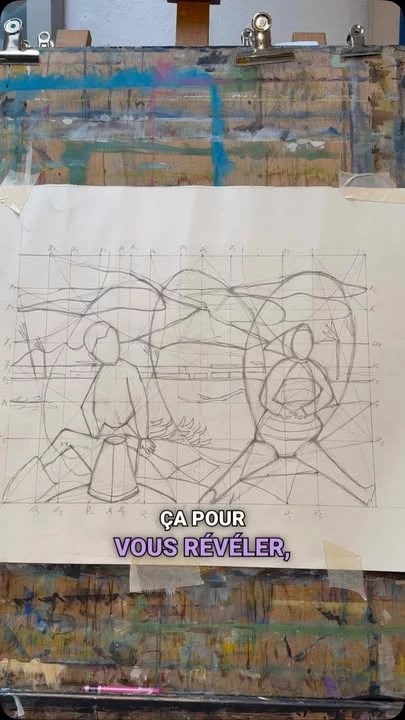
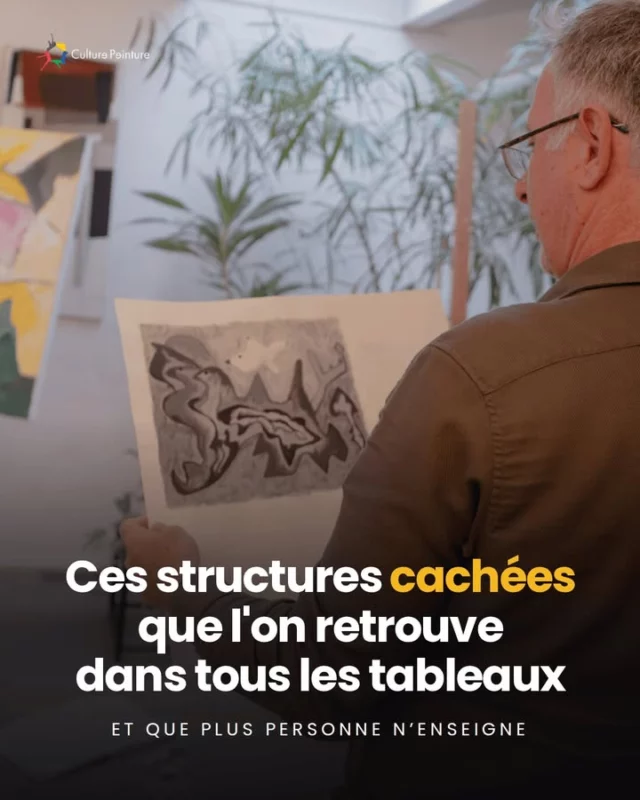
COMPOSITION : CE QUI SE CACHE SOUS LA PEINTURE ! Et si l’essentiel d’un tableau se jouait bien avant le premier coup de pinceau ? Dans cette vidéo, je vous emmène au cœur de mon atelier pour vous dévoiler une étape rarement montrée : la structure invisible qui organise une peinture. À travers le travail d’une élève, je vous montre comment le nombre d’or, les rythmes ovales et les structures obliques permettent d’organiser une composition, et surtout comment le dessin vient se mettre au service de cette structure préalablement établie. Mais attention, ces principes ne concernent pas uniquement la peinture classique ! Je vous montre également comment on retrouve ces mêmes principes de construction dans une œuvre abstraite et gestuelle de Joan Mitchell, notamment à travers les rythmes circulaires et les obliques. Car derrière l’apparente liberté du geste pictural se cachent souvent des structures et une organisation bien plus élaborées qu’on ne l’imagine. Comprendre ces principes, c’est apprendre à voir ce que l’on ne voyait pas auparavant. Et c’est aussi se donner des outils extraordinaires pour progresser dans sa propre peinture. 👉 Si vous appréciez ce genre de vidéos éducatives qui dévoilent les secrets du langage pictural, commentez, likez et partagez ! C’est grâce à vous que je peux continuer à transmettre ces connaissances encore trop peu enseignées. #Composition #LangagePictural #JoanMitchell #NombreDOr #PeintureAbstraite ArtContemporain ApprendreAPeindre CulturePeinture
Le triangle, le pentagone, le cercle, le carré. Quatre formes que les peintres emploient depuis la Renaissance, et que presque personne ne sait nommer. Le triangle désigne par sa pointe et s'assoit sur sa base. Le pentagone est la forme du vivant : retournez une tomate, la branche et les sépales le dessinent. Le cercle installe la perspective sans une seule ligne de fuite. Le carré engendre toutes les autres. Une fois que vous les voyez, vous ne voyez plus que ça. Les formes, une par une, dans notre masterclass gratuite — lien en bio. #peinture #composition #languagepictural #culturepeinture #geneve
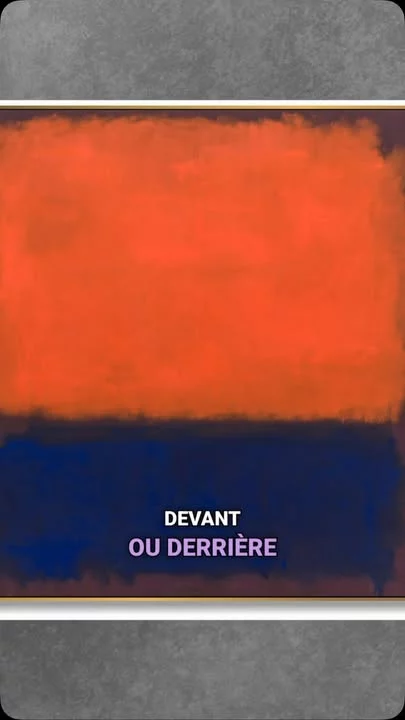
L’ambiguïté spatiale est une notion essentielle pour comprendre une grande partie de la peinture moderne et contemporaine. Chez Rothko, chez Zao Wou-Ki et chez beaucoup d’autres peintres, l’espace n’est plus construit de manière stable : certaines formes semblent avancer, puis reculer, flotter, se rapprocher de nous… avant de repartir vers le fond. Et pourtant, qui parle encore de cette notion aujourd’hui ? On organise de grandes expositions consacrées à Rothko, on analyse ses couleurs, sa spiritualité, son émotion… mais on évoque très peu cette recherche fondamentale sur l’espace, alors qu’elle est au cœur de son œuvre. Parfois, je vous avoue, ça me donne presque envie de faire la révolution. 😄 Et puis je me dis qu’heureusement, il existe aujourd’hui des outils comme Instagram, qui permettent aussi à des passionnés, des peintres et des enseignants de transmettre autrement des connaissances qui ont parfois disparu de l’enseignement artistique. Alors merci d’être là, de regarder, de commenter et de partager ces vidéos. Et si vous avez envie de mieux comprendre le langage pictural et les mécanismes qui structurent réellement une peinture, abonnez-vous : j’ai encore beaucoup de choses à vous montrer. #peinture #art #rothko #zaowouki #artcontemporain peintureabstraite langagepictural histoiredelart artistepeintre
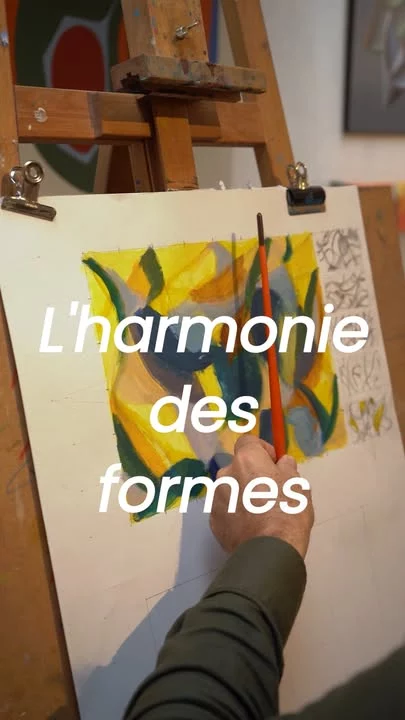
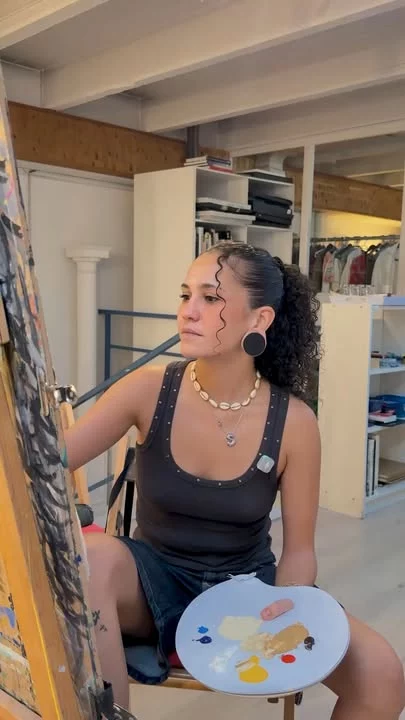
Graciela vient travailler à l’atelier depuis plusieurs années. Elle a toujours eu beaucoup de sensibilité et de talent, mais depuis qu’elle maîtrise peu à peu les grandes clés du langage pictural, son travail a pris une autre dimension. Ses tableaux sont devenus plus construits, plus cohérents, plus libres aussi. J’enseigne la peinture à Genève depuis plus de 25 ans et, depuis 2022, également en ligne, avec aujourd’hui plus de 3 300 élèves à travers le monde. Mon enseignement porte sur des notions essentielles qui sont pourtant très peu transmises : la composition, l’harmonie des formes, la construction d’un tableau, les rapports de couleurs, la circulation du regard, les contrastes, mais aussi les différentes manières de concevoir la profondeur, de la peinture classique jusqu’à la peinture contemporaine. Toutes ces notions constituent ce que j’appelle le langage pictural. Et lorsqu’on commence à le comprendre, on ne peint plus tout à fait de la même manière. Si vous souhaitez découvrir cet enseignement et progresser dans votre peinture, vous trouverez toutes les informations dans les liens en bio.#culturepeinture #artabstrait #coursdepeinture
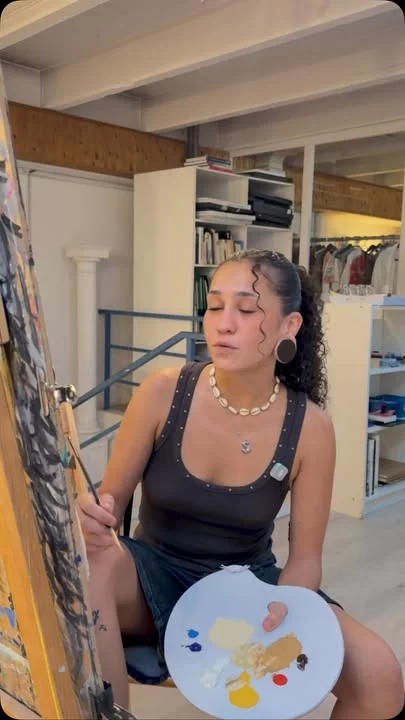
Je vais commencer à vous proposer des vidéos un peu plus techniques sur le langage pictural. Et aujourd’hui, j’aimerais partir du travail d’une élève de l’atelier. Regardez ici : ces deux rouges sont pratiquement alignés sur la même horizontale. Et c’est justement quelque chose qu’il vaut mieux éviter. Pourquoi ? Parce que lorsque vos couleurs s’alignent trop clairement, elles ont tendance à stabiliser la composition et à freiner le mouvement. Il suffit parfois de très peu : déplacer légèrement une couleur, créer un décalage, casser cet alignement… Et immédiatement, l’œil commence à circuler davantage dans la peinture. Ces décalages de couleurs permettent de créer du rythme, de la dynamique et surtout du mouvement. Et je vous le rappelle : le mouvement est l’un des enjeux majeurs de la peinture. Si ce genre de conseil technique vous intéresse, dites-le-moi en commentaire, partagez cette vidéo avec d’autres peintres et abonnez-vous pour les prochaines. #culturepeinture #inspirationartistique #artabstrait
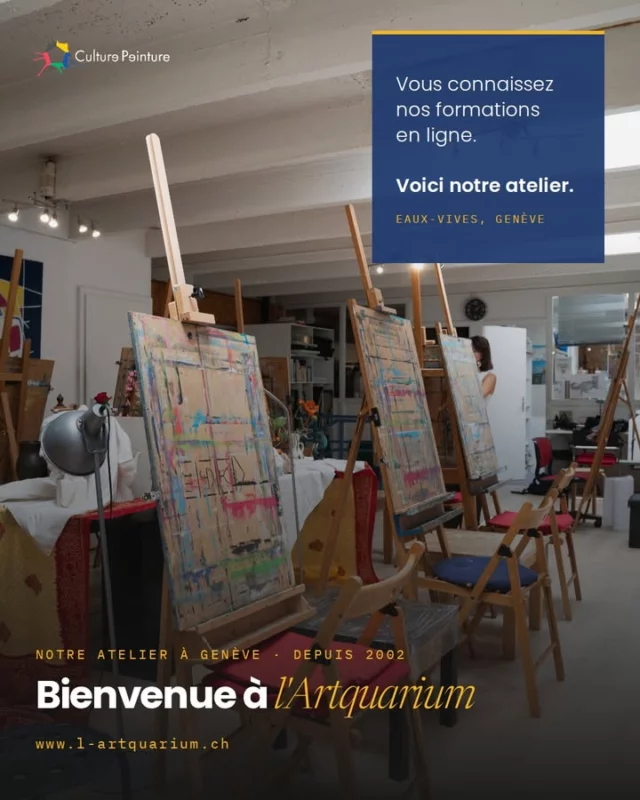
ous connaissez nos formations en ligne. Mais savez-vous que nous avons aussi un atelier ? L'Artquarium, à Genève. Des chevalets, de la lumière, et un enseignement qui ne se transmet presque plus nulle part ailleurs. Trop loin de Genève ? Nos formations en ligne couvrent le même programme. #atelierdepeinture #artquarium #culturepeinture #geneve
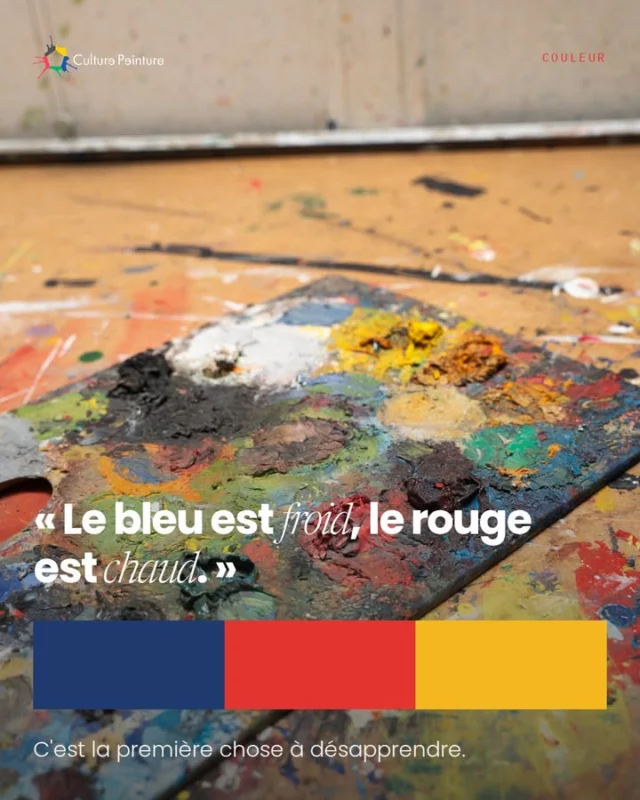
« Le bleu est froid, le rouge est chaud. » C'est la première chose à désapprendre. Un bleu paraît plus chaud à côté d'un bleu plus froid. Un même rouge change de perception selon la couleur qui l'entoure. Une couleur ne se juge jamais seule : elle se juge dans sa relation aux autres. C'est tout l'objet de notre formation Couleur, la plus suivie de nos programmes. Apprenez à maîtriser les relations entre les couleurs — lien en bio. #couleur #theoriedelacouleur #peinture #culturepeinture #geneve
On réduit souvent l’influence des estampes japonaises à une question de style, de raffinements, au japonisme. Leur influence est cependant beaucoup plus importante elle concerne surtout le traitement de l’espace, du temps et de la profondeur. Les peintres occidentaux qui ont vu le traitement de la profondeur dans les estampes sont d’abord tombés à la renverse, puis ils ont eu l’intelligence de s’en emparer ( plutôt que de le renier en bloc) pour donner naissance à une des plus grande révolution esthétique de la peinture du 20 ême siècle : L’ambiguïté spatiale !. #culturepeinture #peinture #artmoderne
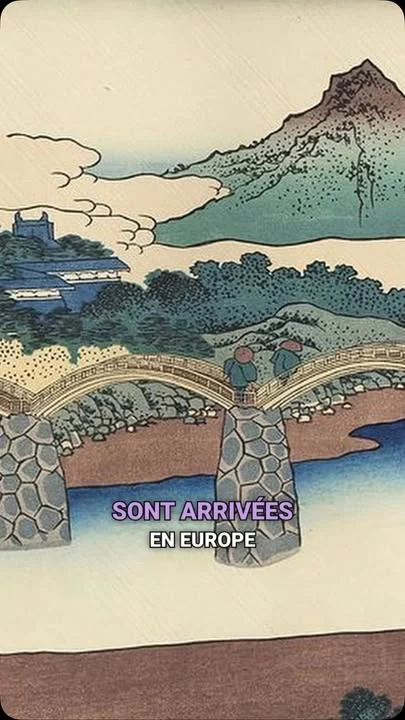
Pourquoi Matisse est-il si important dans l’histoire de la peinture moderne ? Bien avant lui, plusieurs peintres avaient déjà été profondément influencés par l’art japonais — Van Gogh, Gauguin, Puvis de Chavannes, entre autres. Ils avaient compris qu’il était possible de construire une image autrement : en réduisant la perspective traditionnelle, en aplatisant l’espace, en donnant davantage d’importance aux formes, aux aplats de couleur et à la surface du tableau. Mais Matisse va aller beaucoup plus loin. Il va faire de cette question de la profondeur l’un des grands enjeux de sa peinture. Comment conserver une sensation d’espace sans revenir à la perspective classique ? Comment faire coexister profondeur et planéité ? Comment créer un espace qui avance et qui recule en même temps ? À travers ses recherches, Matisse va progressivement mettre en place une nouvelle manière de construire l’espace pictural, beaucoup plus ambiguë, beaucoup plus libre, mais aussi extrêmement structurée. Et cette évolution aura une influence considérable sur toute une partie de la peinture du XXe siècle, notamment aux États-Unis, puis jusqu’à la peinture contemporaine. Rothko, Diebenkorn, Frankenthaler et bien d’autres poursuivront, chacun à leur manière, certaines des questions que Matisse avait ouvertes. C’est aussi pour cela que, lorsque l’on parle de Matisse uniquement comme d’un grand coloriste, on passe à côté d’une partie essentielle de son œuvre. Sa véritable révolution se trouve peut-être ailleurs : dans sa manière de repenser profondément l’espace du tableau.
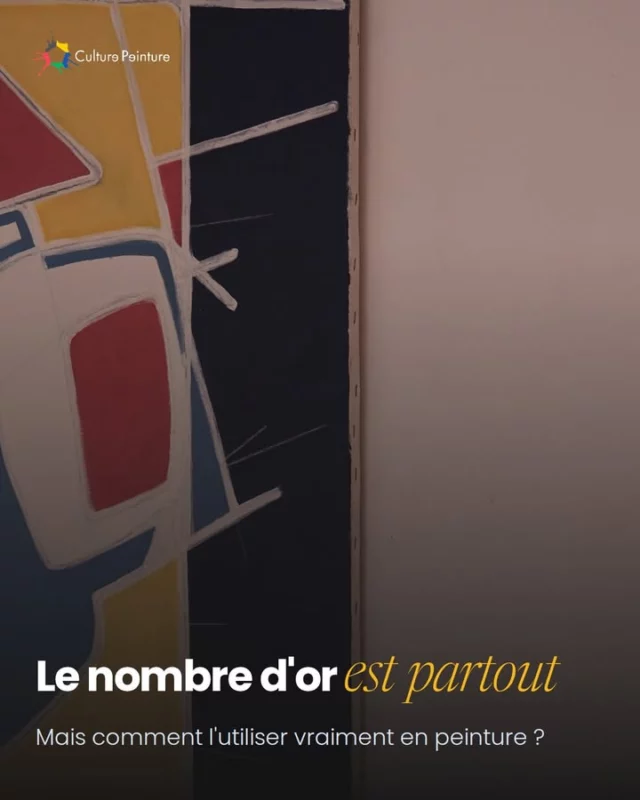
Le nombre d'or est partout. Mais comment l'utiliser vraiment en peinture ? Sans mathématiques. Tout part d'un carré : ajoutez-lui la bonne proportion et vous obtenez le rectangle d'or. Quelques lignes suffisent ensuite à placer vos éléments clés, et la spirale guide le regard à travers l'œuvre. Ce n'est pas une formule magique. C'est un outil de décision, à utiliser avant de peindre. Maîtrisez le nombre d'or dans vos compositions — formation dédiée, lien en bio. #nombredor #composition #peinture #culturepeinture #geneve
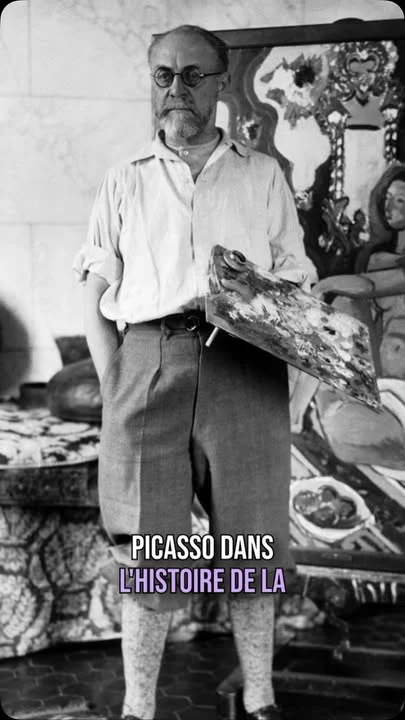
On parle souvent de Matisse comme du grand maître de la couleur et de la forme. Mais on parle beaucoup moins de son rôle absolument déterminant dans l’invention d’une nouvelle manière de représenter la profondeur. Influencé notamment par les estampes japonaises, Matisse va progressivement remettre en question la perspective traditionnelle pour construire des espaces plus plats, plus ambigus, où le fond et la forme, le proche et le lointain, semblent constamment s’inverser. Une recherche qu’il a menée presque seul et qui va profondément transformer la peinture du XXe siècle. On en retrouve l’héritage chez Rothko, Diebenkorn, Frankenthaler, Zao Wou-Ki et chez une grande partie de la peinture abstraite américaine. C’est peut-être même là que réside l’une des contributions les plus importantes de Matisse à la peinture moderne et contemporaine. Et sous cet angle, on peut se demander s’il n’a pas eu une influence encore plus profonde que Picasso sur la peinture du XXe siècle. C’est cet aspect beaucoup moins connu de son œuvre que je vous propose de découvrir dans ce reel.#matisse #culturepeinture #peinture
Votre tableau ne tient pas ? Ce n'est peut-être pas votre geste, mais sa composition. Sujet trop centré, horizon au milieu exact, accents isolés, symétrie appuyée, absence de lien entre les formes : cinq erreurs fréquentes, et cinq corrections simples. Elles se règlent avant la première couche, pas après. Un croquis de valeurs de dix minutes révèle la plupart d'entre elles, quand la toile ne pardonne plus. La composition est le premier chapitre de notre masterclass gratuite — lien en bio. #composition #peinture #conseilpeinture #culturepeinture #geneve
 Français Français
  English